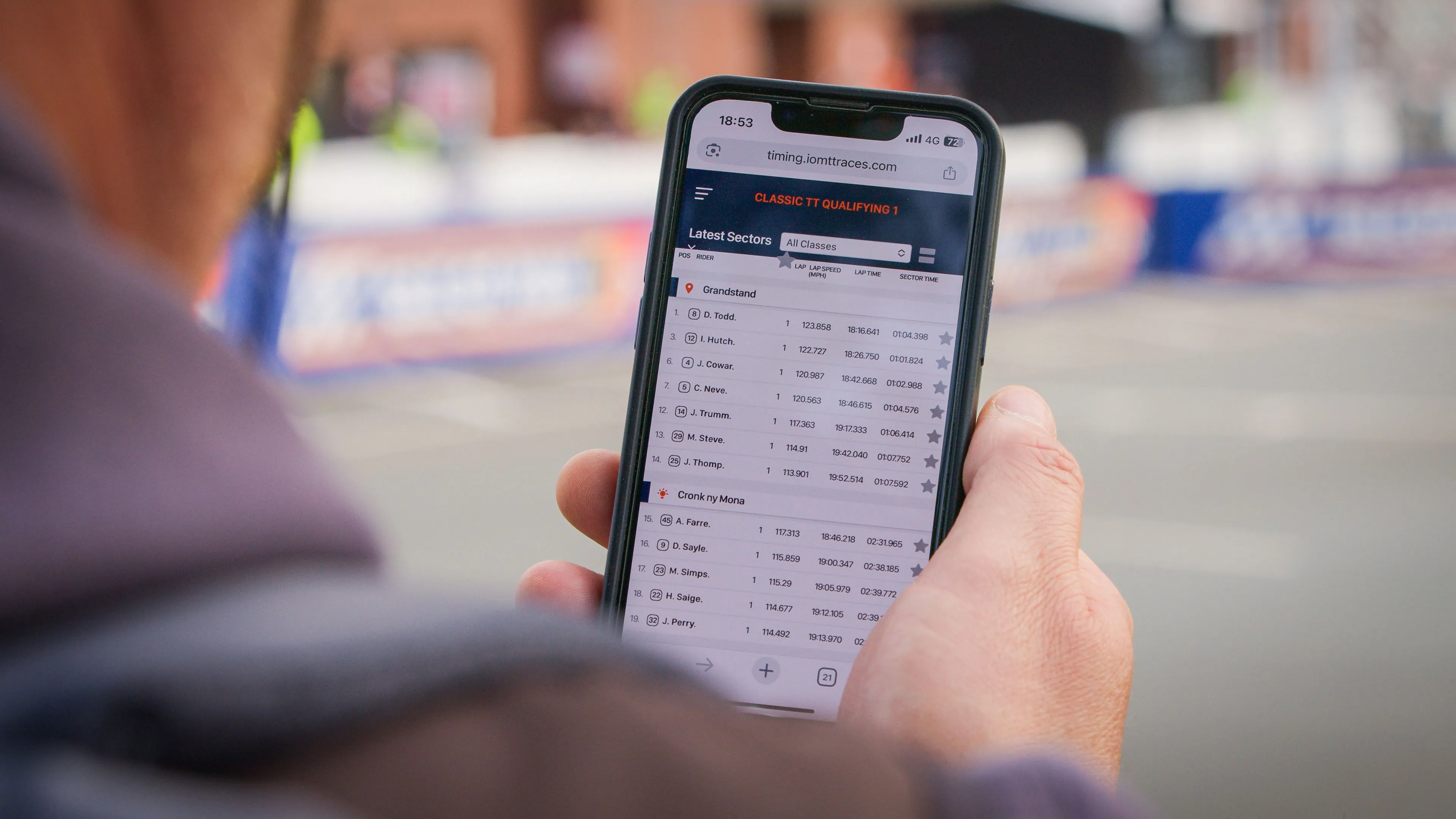
It's late afternoon on race day. The Senior result has just been declared. In the next ten minutes, the press office needs to get a podium image, three action shots, and a results press release out to every accredited outlet in the world. And then field requests from every desk that wants something specific from the session that just finished.

Digital Asset Management
Building a Digital Asset Management platform for the Isle of Man TT Races.
Read more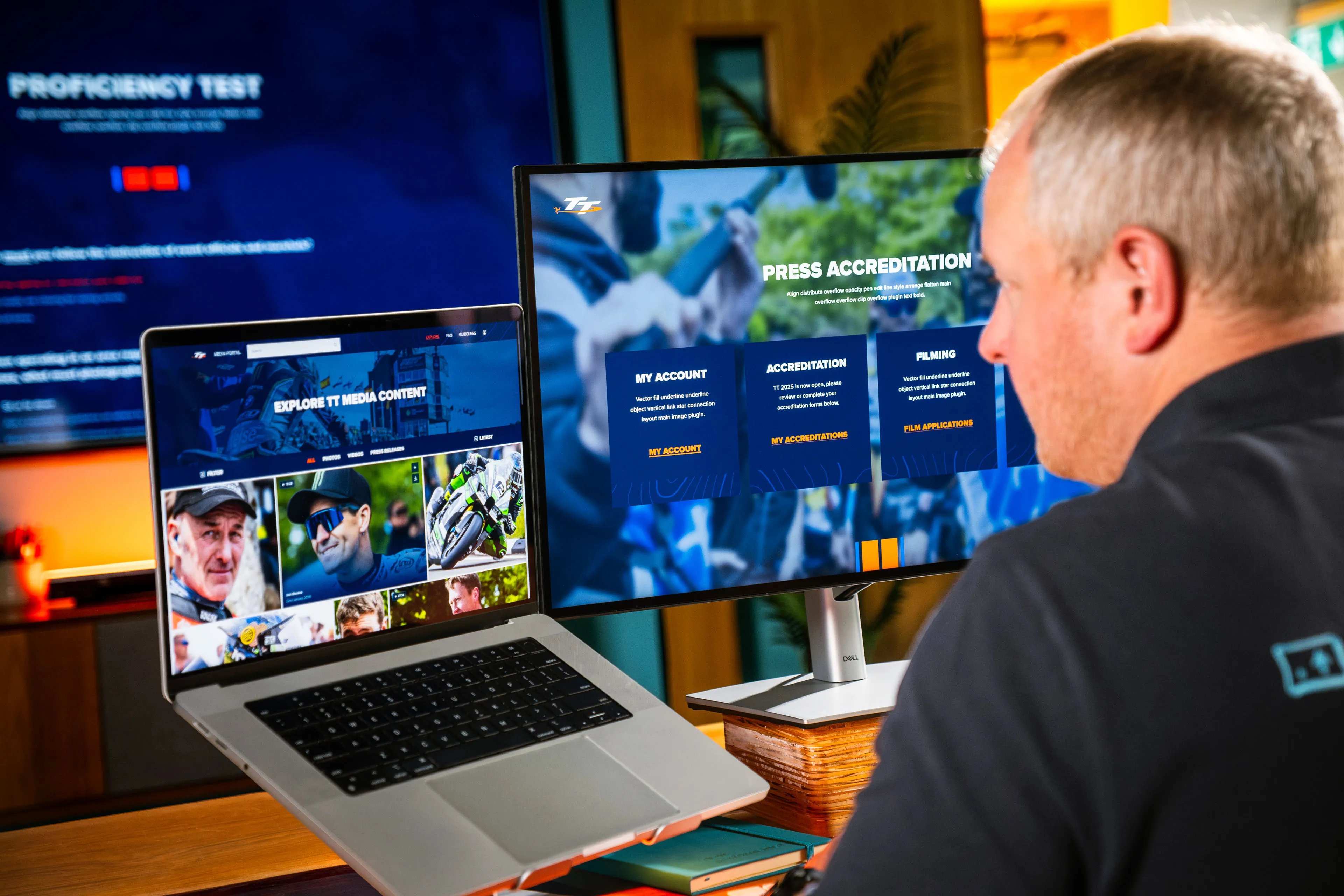
Before this system, that work ran on email, WeTransfer links, shared Dropbox folders, and direct messages. A journalist filing on deadline would ask for "the shot of rider X coming through Y" and wait for somebody at the event to find it. Press releases went out as PDF attachments with no way to track who had received what. No central archive. No consistent metadata. No chain of custody on a download. When a result hit the wire and every outlet pulled at once, original-resolution files crawled down a single web server.
The TT press office needed a system built around how event media actually moves.
Built around how event media actually works
We worked with the press team to understand the operational reality, not what a generic DAM tool offered, but what a live-event media operation required. The system had to ingest fast on race day, serve a global audience the moment content was published, and put accredited press in front of the exact asset they wanted, without anyone at the event playing librarian.
Every photo, video, and press release is tagged at the point of ingest against the same controlled vocabulary. Riders, race classes, locations, themes. Downstream filtering, browsing, and search all draw from one consistent index.
S3 origin, CloudFront distribution. All media lives on Amazon S3. Every public URL is served by CloudFront, a global content delivery network (CDN). Originals are uploaded once. The CDN handles global delivery and the traffic spikes around session times. Three pre-generated derivative sizes exist for every photo, so an outlet can grab a web-ready thumbnail or a print-ready master from the same record.
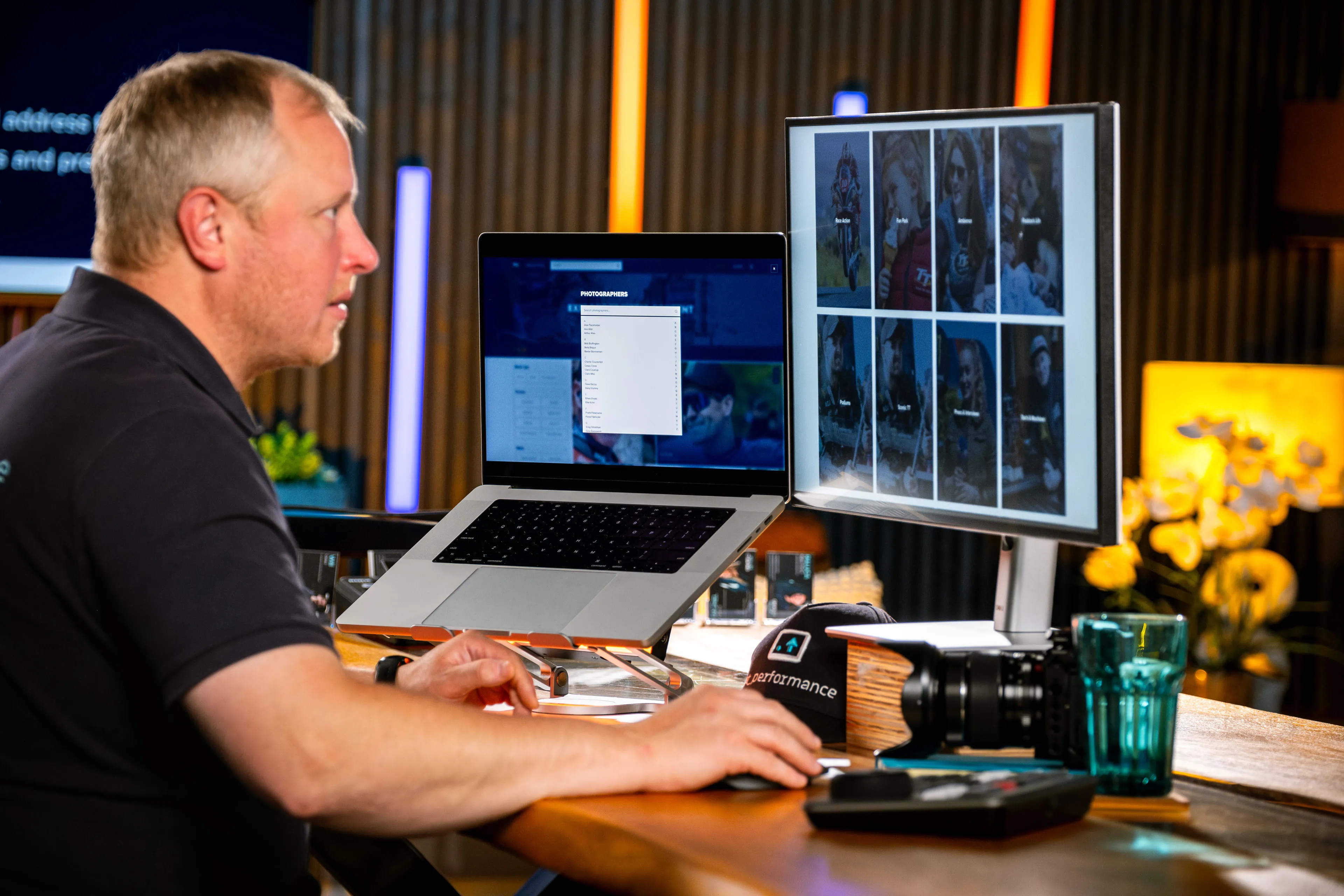
Polymorphic tagging across content types. Press releases tag at the release level. Individual frames inside an attached photoset tag at the frame level. Selecting "Senior TT" and a rider's name returns only the assets tagged with both, across photos, videos, and press releases simultaneously.
Search across every layer. Free-text search runs across press release titles, intros, body content, and the tag vocabulary. Typing a rider's name returns press releases that mention them and photo records tagged to them, in the same result set.
Browse routes for every way in. Dedicated routes by rider, by theme, by race give entry points for users who want to start from a name rather than a search box. The explore grid mixes content types and paginates lazily, so race-week scrolling stays fast as the archive grows.
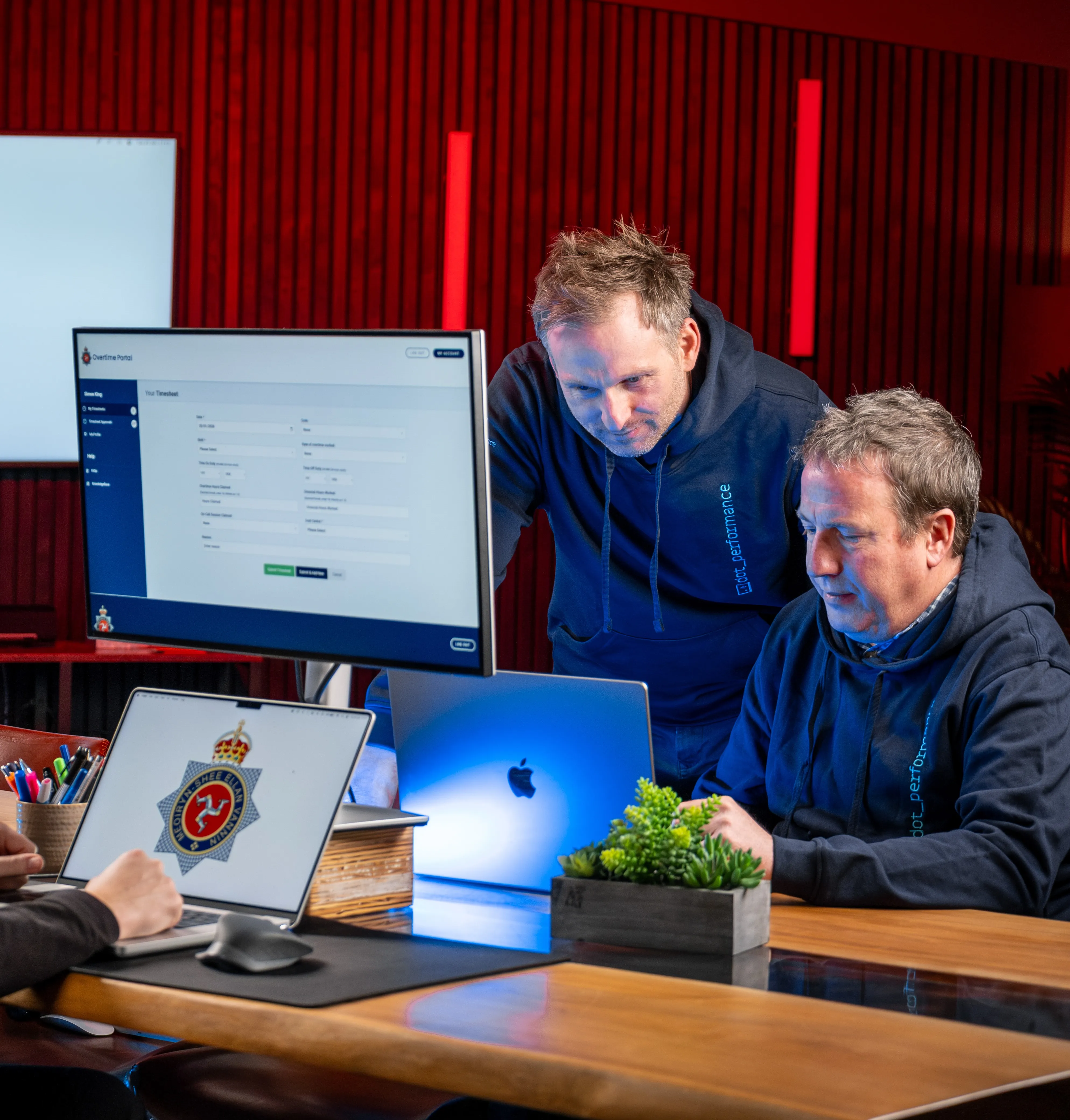
Auth-gated with member approval. Access is restricted to verified press and media. Applicants register through the portal, the press office reviews the request, and the account moves through a managed status. Login is email plus a 6-digit code delivered by email. MFA on every session.
Download tracking and chain of custody. Every download is logged against the member, the asset, the file, the media type, and the size. Single-image downloads stream the chosen derivative directly. Bulk requests assemble a ZIP on the fly. Videos stream as the original. The press office can see who has accessed what, from when, at what resolution. Useful for usage reporting to rights-holders, and for accountability if an asset turns up outside its licence terms.
The system was rolled out ahead of a TT fortnight and stress-tested by the press team and accredited photographers during practice week before the first live press release went out.
What changed
Media that previously moved through ad-hoc channels, with no archive and no record of who had what, now lives in a single tagged, searchable library accessible to verified press from anywhere in the world. Photographers upload once. The CDN handles the global distribution.
A news outlet with deadlines approaching can find the exact rider, in the exact race, at the exact location, in seconds, and pull a print-ready file directly from the CDN.
The press office has a queue of access requests rather than an inbox of one-off asks. Photographers have a single destination for their work rather than a list of recipients. Accounts know who has downloaded what. The infrastructure scales with race-week traffic instead of buckling under it, and the archive compounds in value with every event.